How Long Does It Take to Build a Custom Home? Timeline
How Long Does It Take to Build a Custom Home? Complete Timeline Guide

Building a custom home typically takes between 12 and 24 months from the start of the design process to the final move-in date. While the physical construction of the structure usually lasts 9 to 15 months, the pre-construction phase adds significant time for architectural design, site preparation, and securing necessary permits. Factors such as the complexity of the design, the location of the lot, and the availability of labor and materials influence the specific duration of each project.
A standard timeline involves several distinct stages that must occur in a specific order. Homeowners should expect to spend at least 3 to 6 months in the planning and permitting phase before any ground is broken. This comprehensive guide outlines every step of the process of building a house to help set realistic expectations for a new construction project. This information comes from years of direct field experience managing complex residential projects from initial concept to completion.
The Pre-Construction Phase and Planning Requirements
The clock starts long before a shovel hits the dirt. This initial stage involves choosing a lot, finalizing the floor plan, and getting the green light from local authorities. A report from the National Association of Home Builders indicates that the time spent in the authorization and permit phase has increased over the last decade, often adding months to the total project length.
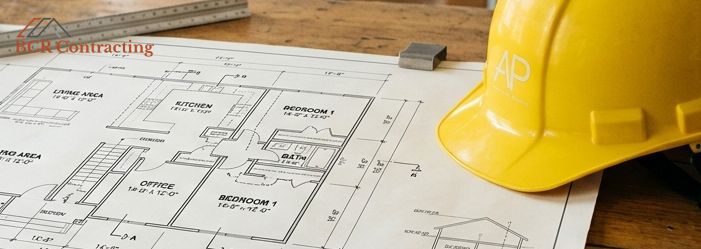
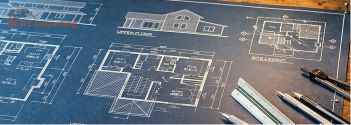
Site selection is the first variable. If the land requires extensive clearing, grading, or the installation of a septic system and well, this adds 4 to 8 weeks to the custom home build schedule. Architecture and design follow, where the homeowner works with professionals to create detailed blueprints. This creative process usually takes 2 to 4 months because it involves multiple revisions to ensure the home meets the specific needs of the residents.
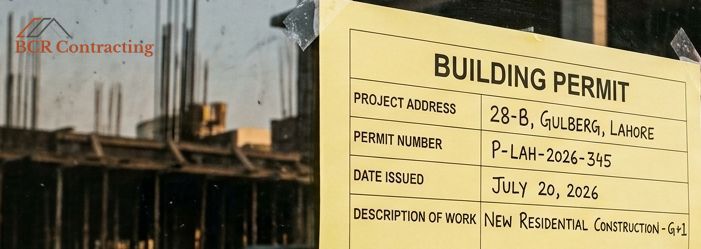
Once the plans are ready, they must go to the local building department. Permit approval times vary wildly by location. In some rural areas, approvals might take three weeks, while in busy metropolitan areas, the process can take six months or longer.
Bonus Tip: Finalize all interior finish selections, such as flooring, cabinetry, and lighting, during the permit waiting period. Ordering long-lead items early prevents construction delays later in the process.
Detailed Home Construction Phases Breakdown
Physical construction begins after the permits are in hand. The home construction timeline follows a linear path where one trade's work often depends on the completion of the previous step.
| Phase of Construction | Estimated Duration | Key Activities |
|---|---|---|
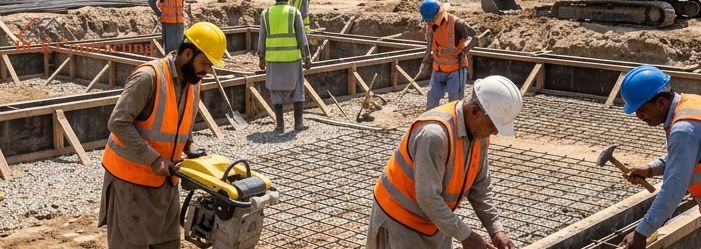
| Site Work and Foundation | 3 to 6 Weeks | Excavation, footings, pouring concrete, and waterproofing. |
| Framing | 4 to 8 Weeks | Building the skeleton, roof rafters, and sheathing. |
| Exterior Dry-in | 2 to 4 Weeks | Installing windows, doors, and roofing material. |
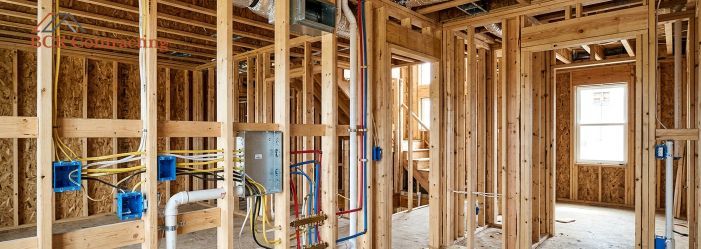
| Rough-ins | 3 to 5 Weeks | Plumbing, electrical, and HVAC ductwork installation. |
| Insulation and Drywall | 3 to 5 Weeks | Hanging sheets, taping, mudding, and sanding. |
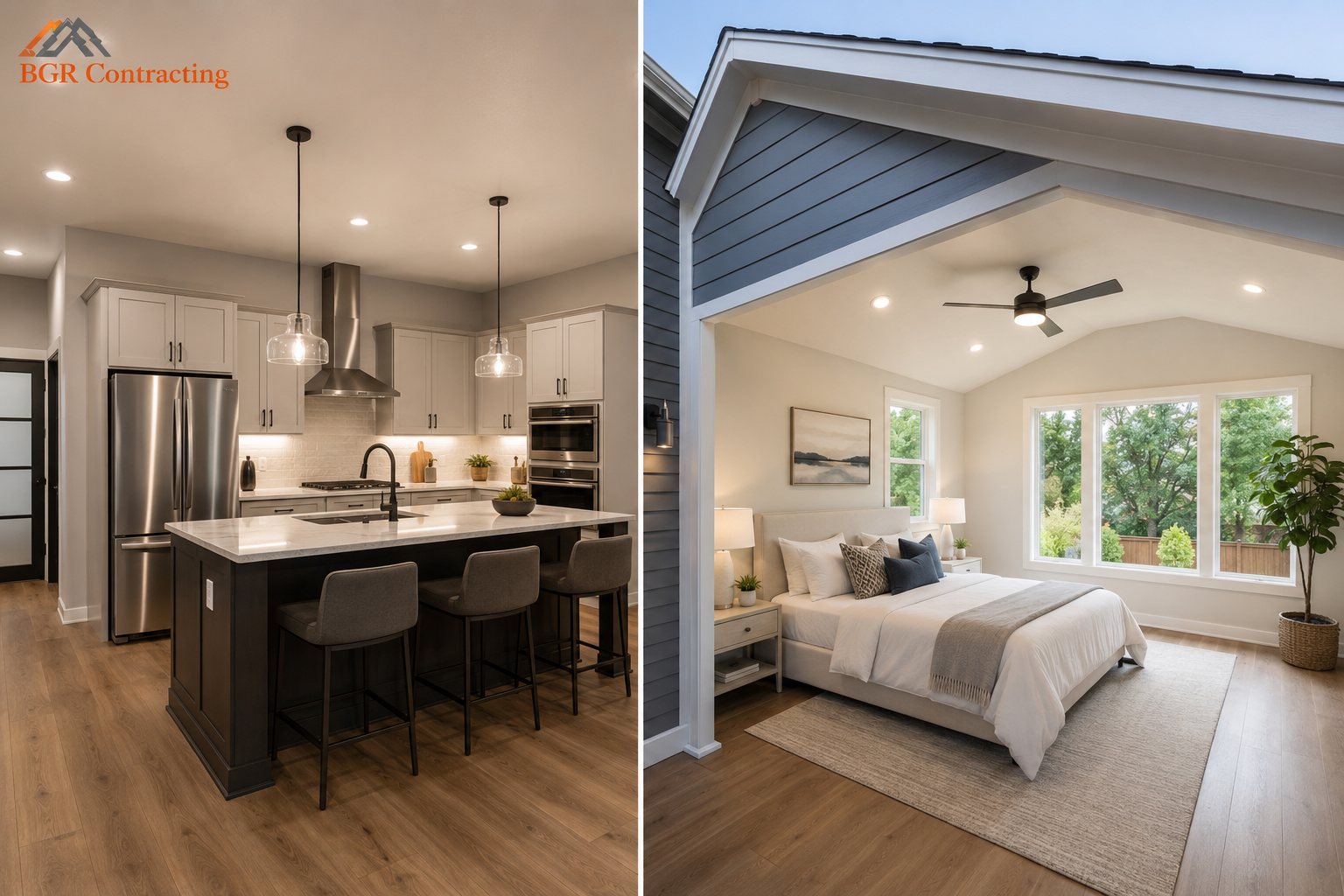
| Interior Finishes | 8 to 12 Weeks | Cabinetry, flooring, trim, painting, and countertops. |
| Exterior Finishes | 3 to 6 Weeks | Siding, masonry, and final landscaping. |
| Final Inspections | 1 to 2 Weeks | Safety checks and certificate of occupancy. |
The foundation stage is highly dependent on the weather. If heavy rain or freezing temperatures occur, concrete pouring may be delayed. Once the foundation is set, framing makes the most visible progress. This is when the house starts to take its actual shape.
Data from the U.S. Census Bureau suggests that the average time to complete a single-family home is around 9.6 months once construction starts, but custom builds often take longer due to specialized details and higher quality standards.
Factors That Influence the Custom Home Build Schedule
Several external and internal factors can shift the completion date by weeks or even months. Understanding these variables helps in planning a flexible moving date.
Weather Conditions
Rain, snow, and extreme temperatures impact the early stages of construction the most. Foundation work and framing require relatively dry conditions. If a project starts in late autumn in a northern climate, winter weather might halt progress for several months unless the structure is dried in before the first major snow.
Customization and Complexity
A home with a simple rectangular footprint builds much faster than a home with multiple wings, complex rooflines, or specialty materials. Custom home builders often note that unique architectural features require more time for sourcing materials and finding specialized labor.
Supply Chain and Labor Availability
The availability of skilled subcontractors like electricians and plumbers can create bottlenecks. If a specific trade is backed up, the entire project might stall because the next phase cannot begin. Similarly, custom items like imported stone or handcrafted windows often have lead times of 20 weeks or more.
Things to Consider Before Making a Decision
Before committing to a custom build, it is necessary to evaluate the readiness of the project and the local market conditions.
- Total Budget and Contingency: Custom builds frequently go over budget. It is wise to have a 10 to 15 percent buffer for unexpected costs or timeline extensions.
- Current Living Situation: Since timelines can shift, having a flexible living arrangement is essential. Do not sign a lease or sell a current home with a hard move-out date that aligns exactly with the estimated completion.
- Decisiveness: Indecision is a primary cause of delays. Changing a bathroom layout after the plumbing is installed can add thousands of dollars and several weeks to the schedule.
- Site Access: Remote or difficult-to-access lots may require specialized equipment or extra time for deliveries, which increases the home construction timeline.
Bonus Tip: Hire a project manager or a reputable firm early in the process. Professional oversight ensures that subcontractors are scheduled back-to-back, minimizing the days when the job site sits empty.
Common Questions About the House-Building Process
People often ask if there are ways to speed up the process. While some phases are fixed, efficiency usually comes from better preparation rather than rushing the physical labor. BCR Contracting LLC emphasizes that rushing the foundation or the drying time for drywall can lead to structural or aesthetic issues later.
Another frequent question involves the difference between custom and production homes. Production homes are often built in 4 to 6 months because the designs are repeated and the materials are kept in stock. Custom home builds require a unique approach for every project, which naturally extends the time required.
Expert Advice for Managing Your Expectations
How does the time of year affect the start date?
Starting in the spring is often ideal for many regions. This allows the foundation and framing to be completed during the driest months, ensuring the house is sealed against the elements before winter arrives.
What is the biggest cause of construction delays?
Change orders are the most common reason projects fall behind. When a homeowner changes their mind about a wall location or a fixture after work has started, it stops the flow of construction and often requires re-permitting or re-ordering materials.
Why do inspections take so long?
Municipal inspectors have heavy workloads. A project may be ready for a framing inspection on Tuesday, but the inspector might not arrive until the following Monday. Construction cannot move to the next phase until the official sign-off is received.
Does the size of the house scale the timeline linearly?
Not exactly. While a 5,000-square-foot home takes longer than a 2,000-square-foot home, it does not take 2.5 times as long. Many tasks, such as permitting and site mobilization, take the same amount of time regardless of house size. The extra time is mostly found in the framing and interior finish stages.
Summary of the Custom Home Timeline
Building a custom home is a marathon that requires patience and careful coordination. The journey begins with several months of planning and permitting, followed by a structured construction sequence that typically lasts a year or more. By selecting a lot early, finalizing designs before breaking ground, and understanding that weather and supply chains are outside of anyone's control, homeowners can better manage the process.
Success depends on clear communication and a firm understanding of the steps involved. Evaluate the specific needs of the household and the conditions of the local building market before starting. A well-planned project results in a higher-quality home that stands the test of time.
Reach Out for Project Guidance
Navigating the various stages of new construction services requires a team with experience and local knowledge. For questions regarding specific timelines or to discuss the details of a potential build, contact BCR Contracting LLC for professional assistance. Reach out via email at briardindustries@gmail.com or call 218-850-8642 to speak with a representative about the building process.
Sources
- National Association of Home Builders - A leading trade association that provides data on home building trends, permit timelines, and industry standards.
- U.S. Census Bureau - The federal agency providing official statistics on the average length of time for residential construction completions in the United States.