Complete Guide to Planning a Home Remodel From Start to Finish
Complete Guide to Planning a Home Remodel From Start to Finish
Successful home remodel planning requires a clear sequence: defining the project scope, establishing a budget with a 20% contingency, hiring professional home remodeling contractors, and securing permits before construction begins. This structured approach prevents common pitfalls such as cost overruns and timeline delays while ensuring the final result meets functional requirements.
This home renovation guide provides a comprehensive roadmap for homeowners. It covers everything from initial inspiration to the final walkthrough. BCR Contracting LLC applies years of field experience to these steps to ensure every project remains on track and within legal compliance.
Define the Project Scope and Goals
The first step in home renovation planning involves identifying the specific problems a remodel should solve. Homeowners must decide if the goal is to add square footage, improve energy efficiency, or update an outdated aesthetic. Writing down a list of "must-have" features versus "nice-to-have" additions helps prioritize decisions when budget constraints arise.
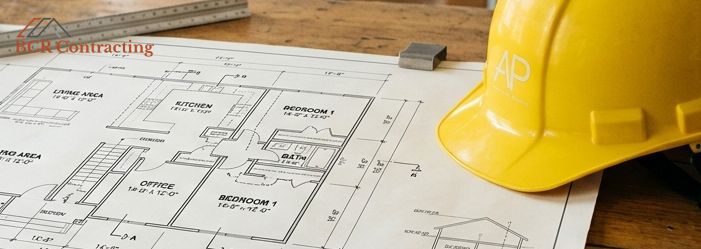
A clear scope acts as the foundation for the entire remodeling process. It prevents "scope creep," which occurs when small, unplanned changes accumulate and cause significant delays. Reviewing the current floor plan and identifying structural limitations early saves time during the design phase.
Establish a Realistic Remodel Budget
Budgeting is often the most challenging part of home remodel planning. According to a report by Houzz, the median spend on home renovations has increased significantly as homeowners opt for higher-quality materials and more extensive structural changes.
To create a functional budget, research the local costs for labor and materials. Include the following categories:
Professional fees for architects or designers.- Permit fees and inspection costs.
- Raw materials and finishes like flooring, cabinetry, and fixtures.
- Labor costs for home remodeling contractors.
- An emergency contingency fund (ideally the 20 percent mentioned earlier) for unforeseen issues like water damage or outdated wiring.
Bonus Tip: Get at least three detailed bids for any major project. Comparing these bids helps identify if one contractor missed a specific requirement or if another is overcharging for basic construction services.
Compare Construction Service, Professionals
Choosing the right team is essential for a smooth remodeling process. Homeowners generally choose between three main types of professionals. The table below outlines the differences between these service providers to help determine which fit is best for a specific project.
Professional Comparison for Home Renovations
| Professional Type | Best For | Primary Responsibilities |
|---|---|---|
| General Contractors | Mid-sized renovations | Managing subcontractors and day-to-day site operations |
| Custom Home Builders | Large additions or whole-home builds | Structural engineering, high-end customization, and site management |
| Design-Build Firms | Seamless design and construction | Handling both the architectural drawings and the physical build |
Hiring reputable home remodelling contractors involves verifying licenses, checking references, and reviewing past portfolios. Insurance coverage is a mandatory requirement. Homeowners should request a certificate of insurance that includes both general liability and workers' compensation.
Create a Detailed Remodelling Timeline
A realistic remodelling timeline accounts for more than just the days workers are on-site. It must include time for design revisions, permit approvals, and material lead times. Data from the National Association of Home Builders indicates that lead times for items like custom cabinetry or specialised windows can add weeks or even months to a project schedule.
Typical stages in a timeline include:
- Design and Planning: 1 to 3 months.
- Permitting and Ordering Materials: 1 to 2 months.
- Demolition and Structural Work: 2 to 4 weeks.
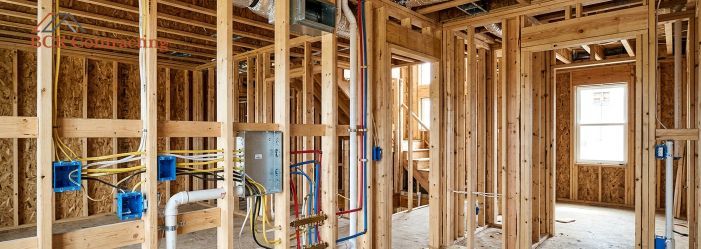
- Rough-In (Plumbing, Electrical, HVAC): 2 to 4 weeks.
- Finishing (Drywall, Flooring, Painting): 4 to 8 weeks.
- Final Installations and Cleanup: 1 to 2 weeks.
Bonus Tip: Avoid starting a project right before a major holiday. Supply chains often slow down, and many subcontractors take time off, which can lead to a house being stuck in the "demolition phase" longer than expected.
Secure Permits and Approvals
Skipping the permit process is a risky move that can lead to fines or problems when selling the home later. Local building departments require permits for structural changes, electrical work, plumbing modifications, and additions. Professional construction services typically handle the application process, but the homeowner is ultimately responsible for ensuring all work remains legally compliant.
Things to Consider Before Making a Decision
Before signing a contract or starting demolition, several practical factors require attention. These considerations influence how the project feels while it is happening and how much it costs in the long run.
- Living Arrangements: Determine if the home will be habitable during construction. Kitchen and bathroom remodels often require homeowners to set up temporary living spaces or move out entirely.
- Property Value: Research the return on investment for specific upgrades. While a personal preference is important, over-improving a home beyond the neighborhood's average value might make it difficult to recoup costs during a future sale.
- Historic Requirements: Homes in historic districts often have strict rules regarding exterior materials and window styles. Verify these regulations with local boards early.
- Structural Integrity: An older home might have hidden issues like asbestos or lead paint. Testing for these materials before starting the remodeling process prevents health risks and sudden budget spikes.
Common Questions About the Remodeling Process
Homeowners often ask how to handle changes once construction starts. The best way to manage this is through "Change Orders." A change order is a written document that details a deviation from the original contract, including the cost difference and the impact on the timeline. Never agree to changes verbally. Always get them in writing to maintain a clear paper trail.
Beyond administrative documentation, many homeowners also have questions regarding the physical order of operations. Usually, work happens from the "inside out" and "top to bottom." For instance, roof leaks must be fixed before interior drywall is installed. Similarly, subfloors and plumbing rough-ins happen before expensive hardwood or tile is laid down.
Essential Remodel Checklist for Success
Use this checklist to track progress through the planning stages.
- Finalize project goals and "must-have" list.
- Set a total budget including the 20% emergency fund.
- Interview and hire home remodeling contractors or custom home builders .
- Complete architectural drawings and material selections.
- Submit and receive all necessary building permits.
- Create a communication plan with the project manager.
- Prepare the site by moving furniture and protecting non-renovated areas.
FAQ About Planning a Remodel
How do I find reliable home remodeling contractors?
Start by asking for recommendations from neighbors or local building supply stores. Check the Better Business Bureau for any history of complaints. Always verify that their license is active, and they carry current insurance policies.
Should I buy my own materials to save money?
Most professionals advise against this. Contractors often get trade discounts that are not available to the public. Additionally, if a homeowner buys a faucet that arrives broken, the homeowner is responsible for the return and the labor costs for the delay. If the contractor buys it, they handle the replacement and the schedule.
How can I minimize dust and debris during a renovation?
Ask the construction team to install plastic zip-walls and use floor protection. Professionals often use HEPA air scrubbers to keep fine dust from traveling through the HVAC system to other parts of the house.
When is the best time of year to remodel?
Interior projects like kitchens or basements can happen year-round. Exterior projects like additions or siding are best scheduled for late spring or early fall to avoid extreme temperatures and heavy precipitation.
How much should I pay upfront?
State laws often limit the amount a contractor can request as a down payment. Generally, an initial deposit of 10 to 33 percent is standard. The rest of the payments should be tied to specific milestones, such as completion of framing or passing a rough-in inspection.
Final Steps for Your Project
Planning a remodel is a detailed process that rewards patience and organization. By setting a firm budget, hiring qualified professionals, and following a logical timeline, homeowners can avoid the stress often associated with construction. Evaluate the specific needs of the household and the long-term goals for the property before beginning the first phase of work. Taking the time to plan thoroughly ensures the finished home is safe, functional, and beautiful.
Professional Construction Services
For assistance with your next project, BCR Contracting LLC offers expert guidance through every stage of the remodeling process. Contact the office at 218-850-8642 or send an email to briardindustries@gmail.com to discuss specific project requirements. Reliable construction services depend on clear communication and technical expertise to bring a vision to life.
Sources
- Houzz - A platform for home remodeling and design that provides annual reports on renovation trends and spending data.
- National Association of Home Builders - A trade association providing data on construction standards, timelines, and industry economic reports.
- Better Business Bureau - An organization that helps consumers find and recommend businesses they can trust, including licensed contractors.