Custom Home Building Process: Step-by-Step Guide for Homeowners
Custom Home Building Process: Step-by-Step Guide for Homeowners
The custom home building process begins with detailed planning and site acquisition, followed by architectural design and securing necessary permits. Once construction starts, the project moves through several physical stages, including site preparation, foundation pouring, framing, mechanical installations, and interior finishing. The process concludes with final inspections and a detailed walkthrough before the homeowner takes possession.
This guide provides a comprehensive breakdown of each stage involved in creating a residence from the ground up. BCR Contracting LLC offers these insights based on professional experience in the construction industry to help homeowners understand the timeline and requirements of a new build. Understanding these house construction stages ensures that expectations align with the technical realities of the field.
Early Planning and Financial Preparation
The initial stage of the custom home process involves defining the project scope and setting a realistic budget. This includes identifying the total amount available for land purchase, construction costs, design fees, and local permits. Homeowners must secure a construction loan, which differs from a traditional mortgage as it pays out in draws as the work progresses.
Selecting a suitable lot is another early requirement. The physical characteristics of the land, such as soil quality, slope, and proximity to utilities, dictate much of the custom house planning. A report from the National Association of Home Builders indicates that finished lot costs can account for a significant portion of the total investment, often exceeding 20 percent of the sales price.
Design and Documentation
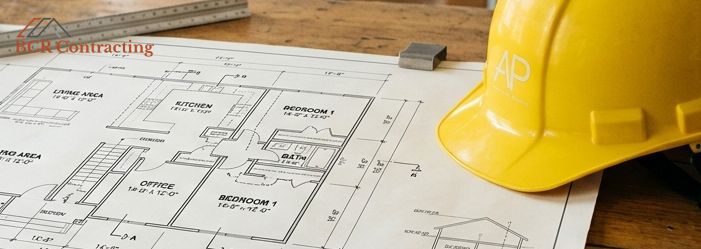
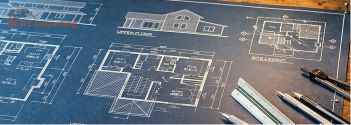
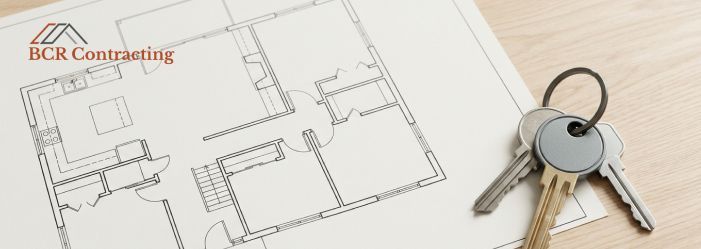
After establishing a budget, the focus shifts to architectural design. During this phase, custom home builders or architects create blueprints that reflect the homeowner's needs while adhering to local building codes. This stage requires decisions on floor plans, square footage, and structural style.
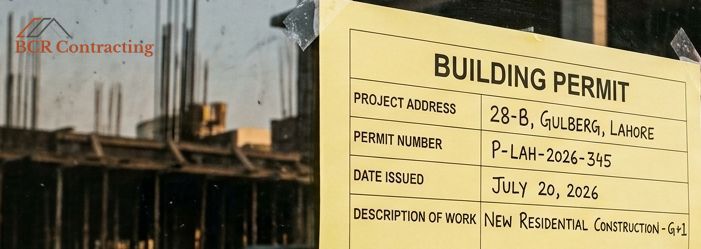
Once the designs are finalized, the project moves into the permitting phase. Local government agencies review the plans to ensure they meet safety, zoning, and environmental standards. Construction cannot begin until these permits are issued. Homeowners should expect this stage to take anywhere from a few weeks to several months, depending on the jurisdiction.
Site Preparation and Foundation Work
The physical home construction process starts with clearing the land. Excavators remove trees, rocks, and debris from the building area. The site is then leveled to prepare for the foundation. Surveyors mark the exact footprint of the house based on the approved plot plan.
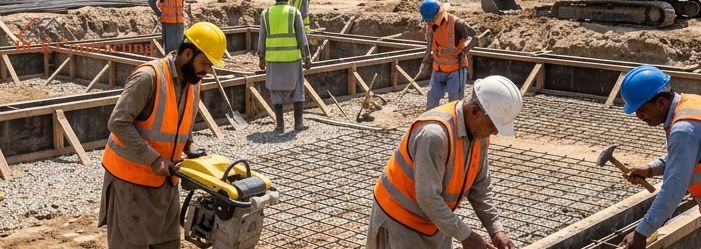
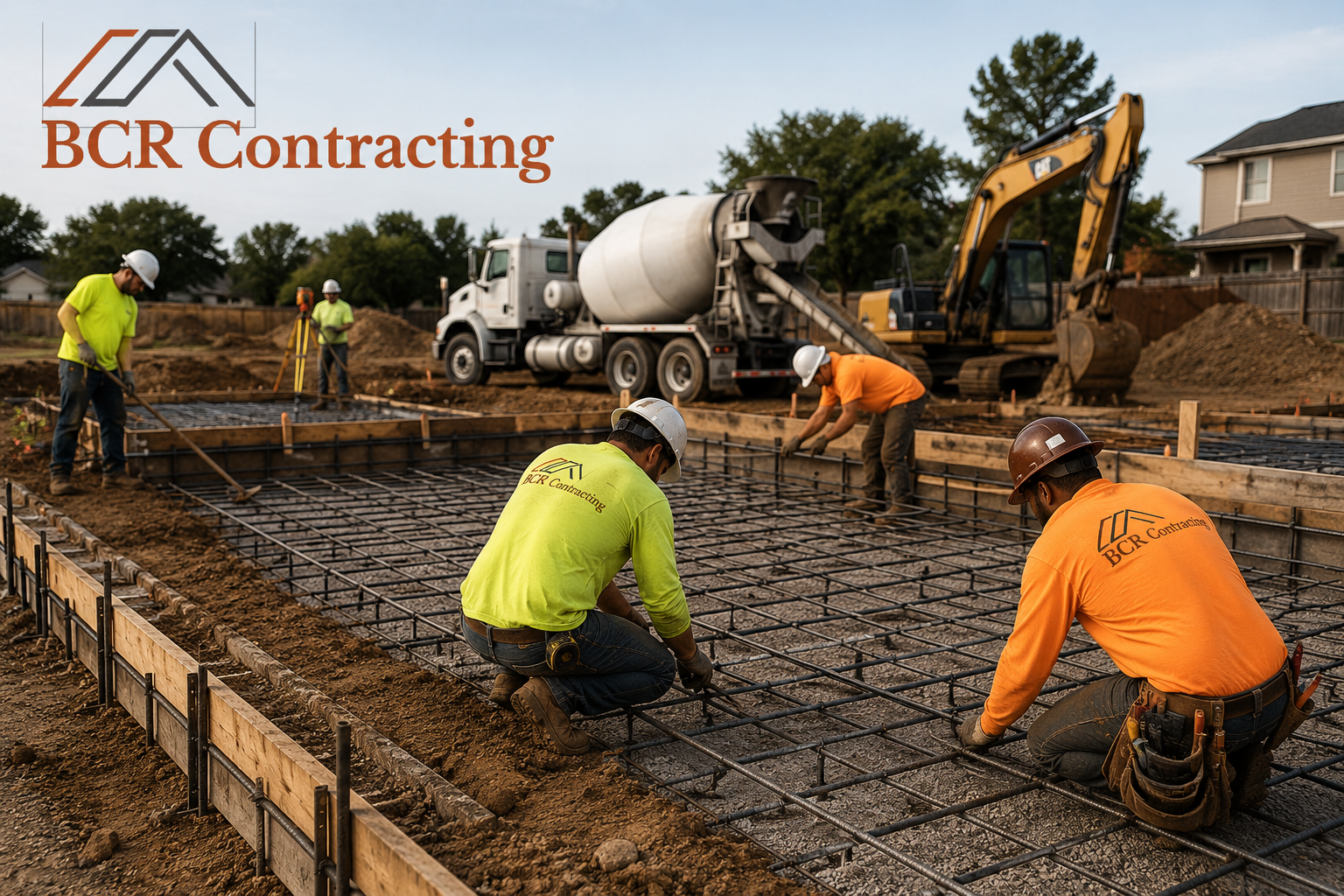
Foundation work typically involves digging trenches for footings and installing wooden forms. Depending on the design, the home may have a slab foundation, a crawl space, or a full basement. Workers pour concrete into the forms and allow it to cure. Once dry, a waterproof coating is applied to the exterior foundation walls to prevent moisture infiltration.
Framing and Exterior Shell
Framing is the stage where the house begins to take shape. Carpenters build the skeleton of the home using lumber or steel. This includes the floor joists, wall studs, and roof rafters. During this phase, the building a new home guide focuses on structural integrity.
As soon as the frame is complete, workers install sheathing on the exterior walls and roof. This is followed by the installation of windows and exterior doors. Getting the house "dried in" is a priority, as it protects the interior from weather damage. Roofing materials are applied shortly after the sheathing is secured.
Bonus Tip: Visit the construction site after a heavy rain during the framing stage to observe how water flows around the foundation. This helps identify any drainage issues that need correction before the final grading.
Rough-In Systems and Insulation
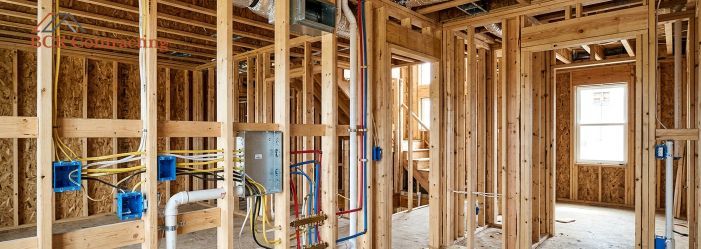
With the shell complete, specialized tradespeople begin the rough-in phase. This includes plumbing, electrical, and HVAC installations. Plumbers run pipes through the studs, while electricians pull wires to outlet boxes and light fixtures. Heating and cooling ducts are also positioned during this time.
Each of these systems must undergo an inspection before the walls are closed. Once the inspections pass, insulation is installed in the walls and ceilings to improve energy efficiency. Data from the U.S. Census Bureau shows that the average time from start to completion for a contractor-built home is approximately 12 months, with mechanical rough-ins taking up a significant portion of the mid-stages.
Interior Finishes and Detail Work
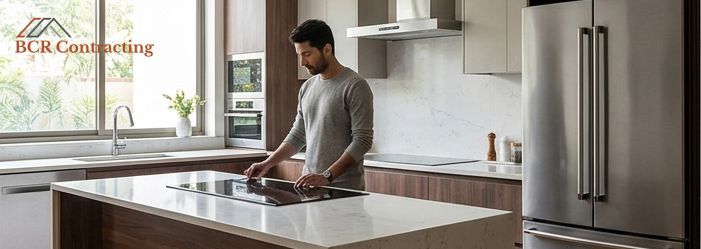
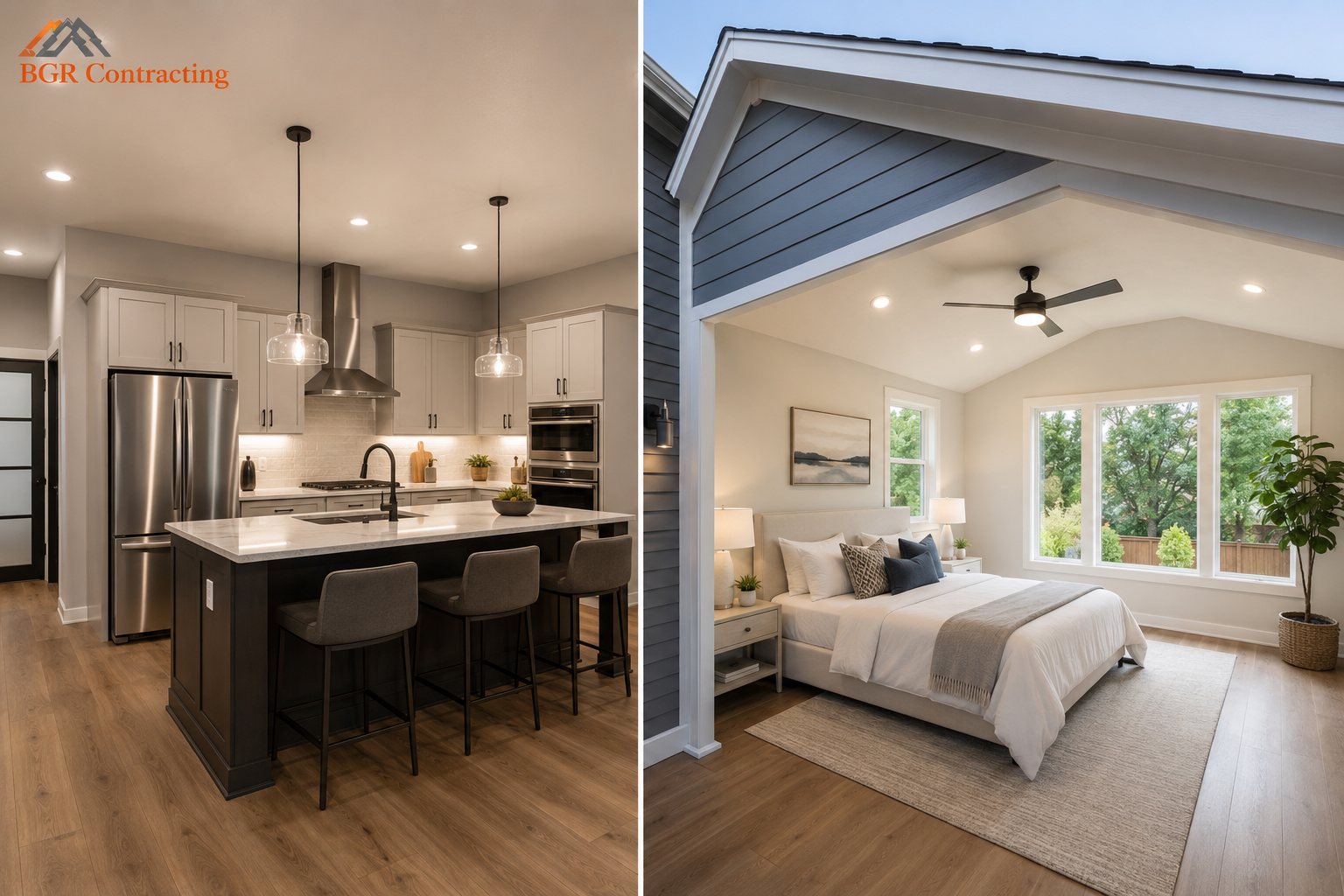
The interior of the home transforms quickly once the drywall is hung and finished. This stage includes painting, installing interior doors, and adding baseboards and window casings. After the walls are prepared, cabinets and countertops are installed in the kitchen and bathrooms.
Flooring comes next, ranging from hardwood and tile to carpet. Simultaneously, the final mechanical work takes place. Electricians install light fixtures and outlets, while plumbers connect faucets and toilets. This phase requires coordination between various new construction services to ensure all finishes meet the desired quality.
Final Inspection and Walkthrough
The final steps to build a custom home involve local building officials performing a final inspection to issue a Certificate of Occupancy. This document proves the house is safe and meets all legal requirements. Before moving in, the builder and homeowner conduct a final walkthrough.
During the walkthrough, the homeowner inspects every room for minor defects or incomplete items, often recorded on a "punch list." The builder explains how to operate the home's systems, such as the thermostat, water heater, and circuit breakers. The following table summarizes these primary construction stages and their typical durations.
| Stage | Primary Activities | Estimated Duration |
|---|---|---|
| Pre-Construction | Budgeting, Land Purchase, Design | 2 to 6 Months |
| Site Work | Clearing, Excavation, Foundation | 2 to 4 Weeks |
| Framing | Structural Skeleton, Sheathing, Roof | 4 to 8 Weeks |
| Rough-In | Plumbing, Electrical, HVAC | 3 to 5 Weeks |
| Interior Work | Drywall, Paint, Flooring, Cabinets | 8 to 12 Weeks |
| Finalization | Inspections, Walkthrough, Closing | 1 to 2 Weeks |
Things to Consider Before Making a Decision
While the physical steps of construction are clear, choosing to build a custom home also requires evaluating several logistical factors beyond the floor plan. Homeowners must consider their long-term lifestyle needs and how the house will accommodate them over the next decade.
- Financial Reserves: Unexpected costs often arise during construction. Maintaining a contingency fund of 10 to 15 percent of the total budget is standard practice.
- Site Constraints: Some lots have restrictive easements or challenging soil conditions that can increase foundation costs.
- Time Commitment: Unlike buying an existing house, building requires frequent meetings and decision-making regarding materials and finishes.
- Contractor Vetting: Researching home remodeling contractors and custom builders is necessary to ensure the team has the proper licensing and insurance.
Common Questions Regarding Construction
Homeowners often ask about the flexibility of the design during the build. While changes are possible, they usually require "change orders," which can increase the price and delay the timeline. It is more cost-effective to finalize every detail during the custom house planning phase.
Another frequent inquiry concerns the warranty on a new home. Most builders provide a one-year warranty for workmanship and materials, with longer coverage for structural components. BCR Contracting LLC emphasizes the importance of reviewing these warranty terms before signing a contract.
Bonus Tip: Take photographs of the walls after the rough-in phase but before the drywall is installed. These photos serve as a map showing exactly where every pipe and wire is located, which is helpful for future renovations.
Frequently Asked Questions
What is the most expensive part of building a custom home?
The interior finishes usually represent the highest percentage of the total cost. This includes cabinetry, flooring, and countertops. Foundation and framing also represent large portions of the budget, but high-end finishes can quickly drive up the final price.
How do weather conditions affect the timeline?
Severe weather can stall site preparation and framing. Concrete cannot be poured in extreme cold or heavy rain, and roofing cannot be installed in high winds. Builders often build "buffer time" into the schedule to account for these delays.
Can homeowners perform some of the work themselves?
While some jurisdictions allow homeowners to act as their own general contractor, most lenders require a professional builder to oversee the project. Professionals ensure that all work meets code and that subcontractors are properly managed.
What is a punch list?
A punch list is a document created at the end of the project. It lists small items that need repair or completion, such as a scratched cabinet door or a missing piece of trim. The builder must address these items before final payment is made.
Summary of the Construction Process
Building a custom home is a linear process that moves from abstract ideas to physical reality. It requires a disciplined approach to budgeting, a clear design vision, and a thorough understanding of the technical stages of construction. By following the established house construction stages, homeowners can navigate the complexities of site work, structural framing, and interior finishing. Success depends on clear communication between the homeowner and the construction team to ensure the final structure meets both aesthetic goals and safety standards.
Contact Information
BCR Contracting LLC provides expertise in the custom home building process for those looking to create a personalized living space. For more information regarding professional construction services or to discuss a specific project, contact BCR Contracting LLC at 218-850-8642. Inquiries can also be sent via email to briardindustries@gmail.com to learn more about the steps involved in high-quality residential builds.
Sources
- National Association of Home Builders - A detailed study on the breakdown of costs involved in constructing a single-family home.
- U.S. Census Bureau - Official government data regarding the average time required to complete new residential construction.