Complete Home Remodeling Guide: Process, Planning & Timeline
Complete Home Remodeling Guide: Process, Planning & Timeline
Complete Home Remodeling Guide: Process, Planning & Timeline
A complete home renovation requires a structured approach that moves from design and permitting into demolition, structural work, and finishing. For most full-scale projects, the home renovation process lasts between four and twelve months, depending on the square footage and the complexity of the changes. Success relies on a detailed remodeling planning checklist that accounts for every room, mechanical update, and permit requirement before the first wall comes down.
Executing a high-quality remodel involves coordinating architects, engineers, and specialized trades while managing a strict budget. This home remodeling guide provides a clear path for homeowners to follow, ensuring they understand the house remodeling steps and the financial commitments involved. BCR Contracting LLC applies years of hands-on expertise to help property owners understand the logistical demands of modern construction.
Essential steps for a house remodeling project
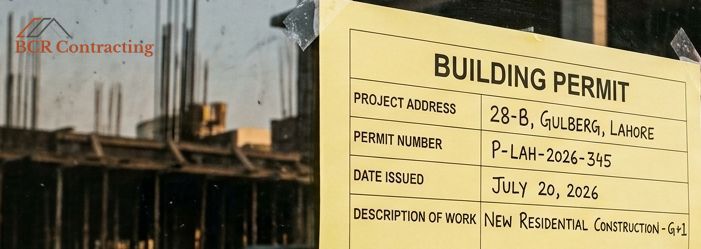
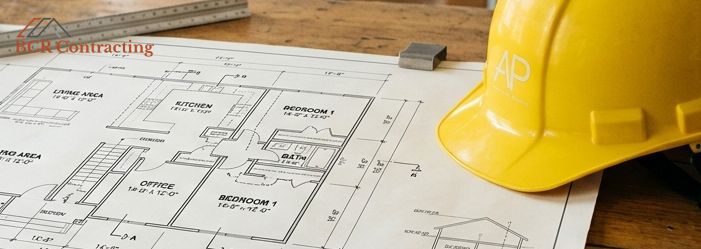
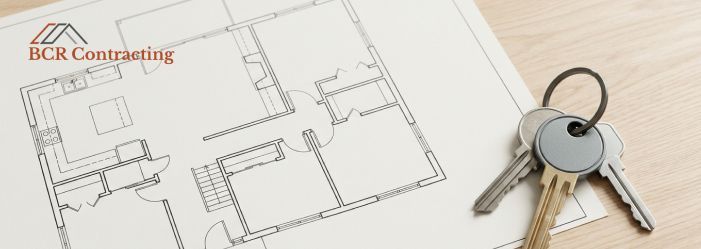
The home renovation process begins long before any construction equipment arrives. Homeowners must first define their goals and determine which structural changes are necessary. This initial phase involves hiring a design professional to create blueprints that meet local building codes. Once the design is set, the next step involves securing the necessary permits. Skipping this step can lead to legal issues or problems when trying to sell the property later.
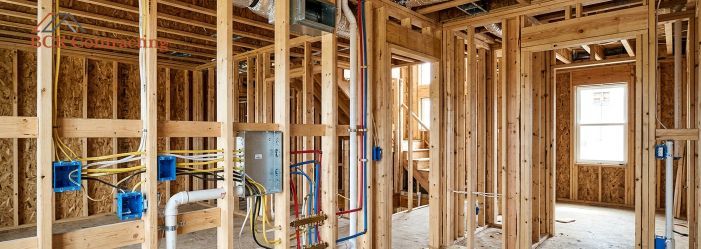
Once permits are in hand, the physical work starts with demolition. This is when the crew removes old materials, walls, and flooring to prepare the space for new systems. Following demolition, the mechanical rough-in begins. This is when plumbers, electricians, and HVAC technicians install the "bones" of the home. This work must happen while the walls are open to ensure everything meets safety standards.
Realistic home renovation timeline expectations
A renovation project timeline varies based on the size of the home and the availability of materials. A small kitchen or bathroom update might take six weeks, but a full home remodel often spans several months. External factors, such as shipping delays for custom cabinetry or unexpected structural issues, can extend these dates.
A report by Houzz indicates that the planning phase alone often takes nearly as long as the construction phase itself. This is because decisions regarding finishes, lighting, and layout require significant time to finalize.
Phases and estimated durations
| Phase of Remodel | Typical Time Frame | Key Activities |
|---|---|---|
| Planning and Design | 1 to 3 Months | Blueprints, material selection, contractor hiring |
| Permitting and Approvals | 2 to 8 Weeks | Local government reviews and zoning checks |
| Demolition and Structural | 2 to 5 Weeks | Tearing out old materials and framing new walls |
| Mechanical Rough-in | 3 to 5 Weeks | Electrical, plumbing, and HVAC installation |
| Drywall and Flooring | 3 to 6 Weeks | Hanging, taping, sanding, and laying floors |
| Finishing and Cabinetry | 4 to 8 Weeks | Painting, trim, cabinets, and appliances |
Financial planning for a full home remodel
The full home remodel cost is influenced by the quality of materials and the local labor market. Budgeting requires a clear understanding of both "hard costs," such as lumber and appliances, and "soft costs," such as permit fees and architectural drawings. Data from Remodeling Magazine suggests that high-end kitchen remodels can see a significant return on investment, but homeowners should prioritize structural integrity over cosmetic upgrades if funds are limited.
Homeowners should set aside a contingency fund because opening walls almost always reveals hidden problems, such as outdated wiring or water damage. A 15 to 20 percent buffer in the budget prevents the project from stalling when these surprises occur.
House renovation checklist for preparation
A successful home improvement planning strategy requires a written list of tasks to keep the project on track. This checklist serves as a roadmap for the homeowner and the construction team.
- Verify that the property title allows for structural additions.
- Secure a temporary living arrangement if the kitchen or bathrooms will be out of service.
- Notify neighbors about the construction schedule and potential noise.
- Rent a dumpster for debris management throughout the demolition phase.
- Confirm that all contractors have current insurance and licensing.
Things to consider before making a decision
Before signing a contract or starting demolition, certain factors must be evaluated to ensure the project aligns with long-term goals. The first is the intended length of stay in the home. If the house is a forever home, custom features that suit personal tastes are worth the investment. If the goal is to sell within five years, it is better to focus on neutral designs and upgrades that offer the highest resale value.
According to a study by Forbes Home, garage door replacements and minor kitchen refreshes often provide a better percentage of cost recovery than major luxury additions. Homeowners should also consider the local climate; using materials that can withstand regional weather patterns will reduce maintenance costs over time.
BCR Contracting LLC suggests checking local zoning laws before planning any additions. Some neighborhoods have "setback" requirements that prevent building too close to the property line, regardless of the owner's desires.
Common questions about the remodeling process
Many people ask if they can live in the house during a full renovation. While possible, it is often stressful and can slow down the workers. If the project involves only the bathroom or the kitchen, moving out temporarily is usually the more efficient choice.
Another common question involves the order of operations. It is almost always better to complete structural and mechanical work before any cosmetic updates. Installing new hardwood floors before replacing an old roof, for example, risks damaging the new interior if a leak occurs during construction.
Frequently asked questions
Do I need an architect for a home remodel?
If the project involves moving load-bearing walls or changing the footprint of the house, an architect or structural engineer is necessary. They ensure the building remains safe and help create the documents required for permits. Simple cosmetic updates like new flooring or paint do not usually require professional design services.
How do I find a reliable contractor?
Research local companies with verified reviews and ask to see photos of completed projects similar to yours. Ensure they provide a detailed written contract that includes a payment schedule and a clear scope of work. Validating their insurance and license status through state databases is a standard safety measure.
What is the most expensive part of a remodel?
Kitchens and bathrooms are typically the most expensive areas due to the high cost of plumbing, cabinetry, and appliances. On a structural level, foundation repairs or roof replacements can also consume a large portion of the budget. Labor usually accounts for about 35 to 50 percent of the total project cost.
Can I do some of the work myself to save money?
Homeowners can often handle demolition or painting to reduce costs. However, tasks involving electricity, plumbing, or structural framing should be left to professionals. Mistakes in these areas can lead to code violations, fire hazards, or water damage that costs more to fix than the initial savings.
Final thoughts on home renovation
A full home remodel is a major undertaking that requires patience and careful preparation. By following a clear house renovation checklist and maintaining a realistic renovation project timeline, property owners can avoid common pitfalls. Focus on structural health and mechanical efficiency before moving to aesthetic choices. Evaluate the budget regularly and maintain open communication with the construction team to ensure the final result meets the original vision.
Contact BCR Contracting LLC
BCR Contracting LLC provides professional guidance for homeowners looking to improve their living spaces. For more information on starting a project or to discuss specific construction needs, contact the office at 218-850-8642. Direct inquiries can also be sent to briardindustries@gmail.com to receive assistance with planning and execution. The team remains dedicated to delivering quality results that stand the test of time.
Sources
- Houzz- A leading platform for home remodeling and design that provides data on project timelines and consumer trends.
- Remodeling Magazine- A professional industry publication that tracks cost versus value data for various home improvement projects.
- Forbes Home- A trusted source for financial advice and market data regarding the return on investment for residential renovations.