9 Mistakes Homeowners Make Before Starting New Construction
9 Mistakes Homeowners Make Before Starting New Construction
Successful
custom home builds start long before the foundation is poured. The most frequent errors involve rushing the planning phase, failing to set a realistic financial ceiling, and choosing land that carries hidden development costs. Avoiding these pitfalls requires a structured approach that prioritizes professional consultation and detailed site evaluation over early aesthetic choices.
The following guide identifies the specific barriers to a smooth construction process. By identifying these issues early, homeowners can save thousands of dollars and months of frustration. BCR Contracting LLC provides these insights based on years of observing where projects typically stall or exceed their intended limits.
Core Planning Errors to Avoid
The initial stages of a project often feel slow, leading many to cut corners to see physical progress. However, a house is only as stable as the preparation behind it. Incorporating these common pitfalls into a house-building checklist can help keep priorities in order, ensuring that logistical needs are addressed before design preferences take over.
1. Starting with an Incomplete Budget
A major construction budget mistake is focusing only on the "sticks and bricks" of the house. Many first-time builders forget to account for soft costs like permits, impact fees, and architectural services. A report from the National Association of Home Builders indicates that site preparation and regulatory fees can significantly impact the total investment before construction even begins. Without a 10% to 15% contingency fund, unexpected issues like a rock in the soil or utility connection delays can halt a project indefinitely.
2. Selecting the Wrong Lot
The price of a piece of land rarely reflects the total cost to build on it. Homeowners often buy land because of the view without first checking for soil stability, drainage issues, or the proximity of utility lines. Excavation and clearing costs vary greatly depending on the terrain. It is common for a "cheaper" lot to require $50,000 in additional earthwork that a more expensive, flat lot would not need, making the initial "bargain" a major financial liability.
3. Skipping the Design Phase Detail
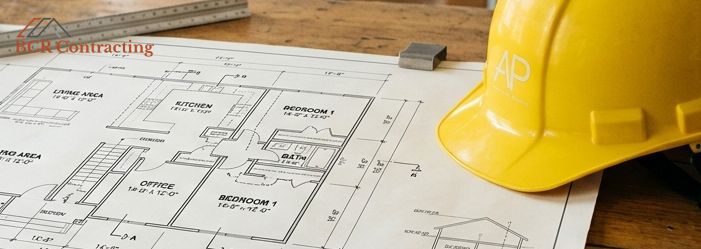
Custom home planning mistakes often happen when homeowners rush to finalize a floor plan without thinking about how they will actually live in the space. Forgetting to plan for enough storage, failing to consider furniture placement, or ignoring the path of natural light can lead to a home that feels awkward. Taking the time to visualize daily routines ensures the kitchen layout works and that electrical outlets are positioned correctly for modern living.
4. Ignoring Future Resale Value
Even if a family plans to stay in a home forever, circumstances can change. Building a house that is too specific to one person's hobbies or tastes can make it difficult to sell later. Data from Zillow shows that homes with standard features, such as a master suite on the main floor or a functional home office, tend to retain value better than those with highly unusual layouts. Balance personal desires with market reality to protect the long-term investment.
5. Underestimating the Timeline
Many people assume a house can be built in three or four months. According to the U.S. Census Bureau, the average time to complete a contractor-built home is roughly seven to eight months, and this does not include the months required for design and permitting. Setting unrealistic expectations leads to stress and often results in rushed decisions that compromise quality.
Bonus Tip: Add two months to whatever timeline is initially estimated to account for weather delays and supply chain issues.
6. Choosing a Builder Based Solely on Price
Selecting the lowest bidder is often one of the most expensive new construction mistakes. Low bids often mean the contractor has missed items in the scope of work or uses lower-quality materials. It is better to hire new construction services based on their reputation, communication style, and past projects. A builder who charges a fair price and manages the project efficiently will save more money in the long run than a cheap contractor who leaves the job half-finished.
7. Over-Customizing with Trendy Features
It is easy to get caught up in current design trends seen on social media. However, these features can date a house quickly. Instead of building trendy architectural elements into the structure, use paint, lighting, and furniture to capture current styles. This keeps the home's foundation timeless and easier to update as fashions shift.
8. Failing to Get Everything in Writing
Assumptions are the enemy of a successful build. To prevent disputes, every change order, material selection, and timeline update must be documented. Relying on verbal agreements often leads to confusion over what was included in the original price. BCR Contracting LLC emphasizes that clear, written documentation protects both the homeowner and the builder from the common misunderstandings that arise during long-term projects.
9. Not Planning for the Unexpected
Every new construction project will face a challenge, whether it is a week of rain or a backordered appliance. Homeowners who expect perfection often struggle when these hurdles appear. Building flexibility into the plan allows for smoother transitions when adjustments are necessary.
| Construction Phase | Average Percentage of Total Cost | Key Factors Involved |
|---|---|---|
| Site Work & Permits | 8% - 12% | Clearing, excavation, and government fees. |
| Foundation & Framing | 25% - 30% | Concrete, lumber, and structural integrity. |
| Major Systems | 12% - 15% | HVAC, plumbing, and electrical rough-in. |
| Interior Finishes | 25% - 35% | Flooring, cabinets, countertops, and trim. |
| Landscaping & Driveway | 5% - 10% | Final grading, paving, and exterior plants. |
Essential Factors to Evaluate Before Finalizing a Plan
Before signing a contract or buying land, certain practicalities require a second look. These considerations help separate a dream from a feasible reality.
- Zoning and Easements: Check if local laws restrict the size or height of the building. Easements might prevent building on certain parts of the lot.
- Utility Access: Some rural lots lack access to city water or sewer. The cost of a well and septic system must be factored into the initial budget.
- Financing Type: New construction usually requires a specific type of loan. Ensure the lender is experienced with construction-to-permanent financing.
- Sustainability: Consider long-term energy costs. Investing in better insulation or high-efficiency windows now reduces monthly bills for decades.
Bonus Tip: Hire a third-party inspector to check the home at major stages, such as after the framing and mechanical rough-ins are done, but before the drywall goes up.
Common Building Questions
How do homeowners find the right lot for a custom build?
The process begins by identifying land that is already surveyed. If the land is raw, it is essential to hire a civil engineer to perform a perk test for septic suitability and a soil test to ensure the ground can support a foundation. Verifying these technical details prevents the purchase of a lot that is too expensive or physically impossible to build on.
Is it better to buy a plan online or work with an architect?
Online plans are cheaper but often require modifications to meet local building codes or fit a specific lot. An architect or a designer working for a custom home builder can create a layout that maximizes the lot's features, such as views or natural slopes.
What is the highest hidden cost in new construction?
Landscaping and exterior finishes like decks and driveways are frequently left out of the initial build price. These "finished" items can easily cost $20,000 to $50,000, depending on the size of the property.
Frequently Asked Questions
What should be included in a construction contract?
A solid contract includes a detailed scope of work, a payment schedule based on completed milestones, a definitive start and end date, and a process for handling change orders. It should also list the specific materials to be used to avoid "contractor grade" substitutions.
How much should be set aside for a contingency fund?
At least 10% of the total project cost is standard. If the project involves a difficult site or a highly complex design, 15% is safer. This money covers things like unforeseen soil conditions or price spikes in materials.
Can I manage a new construction project myself to save money?
While acting as a general contractor is possible, it is rarely advisable for those without industry experience. Professional builders have established relationships with subcontractors and understand the complex sequence of inspections and permits. Mistakes made by an inexperienced manager often cost more than the builder's fee.
How do I vet home remodeling contractors or builders?
Ask for a list of recent projects and call the owners. Ask specifically about how the builder handled problems and whether they stayed close to the budget. Verify their insurance and license status with local authorities before signing any documents.
Final Steps for Homeowners
A successful build is the result of deliberate preparation and realistic expectations. By avoiding these 9 mistakes, the process becomes a managed series of steps rather than a chaotic struggle. Focus on building a strong team of professionals, maintaining a clear budget, and choosing a lot that suits the intended design. BCR Contracting LLC suggests taking the time to review every detail of the plan before the first day of work to ensure the final result meets every need. Evaluate the specific goals of the project and ensure the chosen team has the experience to bring that vision to life.
Contact BCR Contracting LLC
For those ready to move forward with their project, professional guidance is available to ensure the process remains on track. BCR Contracting LLC offers expert new construction services and remodeling solutions tailored to specific needs. To discuss a project or request more information about custom home builds, reach out via email at briardindustries@gmail.com or call 218-850-8642. Expert assistance can help navigate the complexities of building and prevent costly errors.
Sources
- National Association of Home Builders - A leading trade association providing data on construction costs and industry standards.
- Zillow - A real estate marketplace offering insights into home value trends and resale data.
- U.S. Census Bureau - The primary source for official statistics on construction timelines and completion rates in the United States.