How Much Does It Cost to Build a Custom Home
How Much Does It Cost to Build a Custom Home
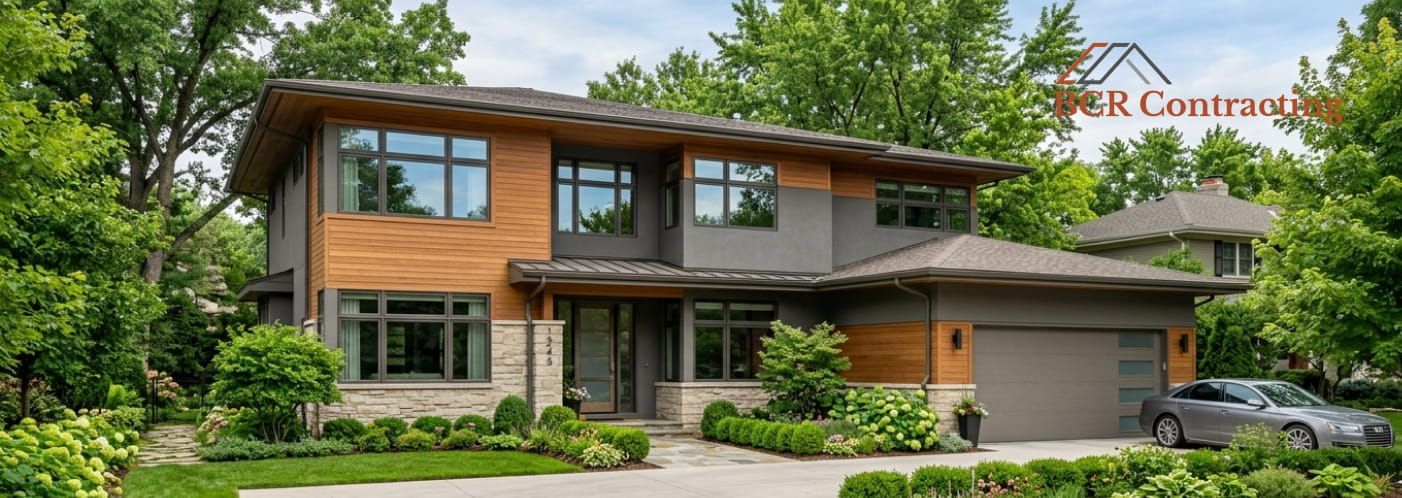
How Much Does It Cost to Build a Custom Home
Building a custom home typically costs between $200 and $500 per square foot in the current market. For a standard 2,500 square foot property, total expenses usually range from $500,000 to $1,250,000. These figures include labor, materials, and basic site preparation but often exclude the price of the land itself. Regional factors, material quality, and design complexity determine where a project falls within this broad price range.
According to data from the National Association of Home Builders, construction costs represent approximately 60 percent of the total sales price of a new home. This guide provides a detailed look at the financial requirements for residential construction services to help future homeowners plan effectively. The information presented here relies on real-world project data and current market trends to offer an accurate estimate for building a house that MN residents can use for planning.
Custom Home Cost Per Square Foot Breakdown
The cost to build a custom home varies significantly based on the level of finishes and the architectural design. High-end luxury homes often exceed $500 per square foot, while more modest designs might stay closer to the $200 mark. Materials represent the largest portion of this expense, followed closely by professional labor.
- Basic Construction:$200 to $250 per square foot. This includes standard materials, pre-designed floor plans, and basic appliances.
- Mid-Range Construction:$250 to $400 per square foot. This level allows for semi-custom designs, better flooring options, and upgraded kitchen features.
- High-End Luxury:$400 to $600+ per square foot. This includes fully unique architecture, premium materials like imported stone, and advanced home automation systems.
Market reports from HomeGuide indicate that while material prices have stabilized since the peaks of recent years, labor shortages continue to keep the custom home cost per square foot at historically high levels.
Home Construction Cost Breakdown
Understanding where every dollar goes helps in managing a budget. A typical project involves hundreds of individual expenses, but they generally fit into several primary buckets. BCR Contracting LLC tracks these expenses to ensure projects stay within the initial projections.
| Expense Category | Percentage of Total Budget | Included Items |
|---|---|---|
| Site Work | 6% to 10% | Clearing trees, excavation, and utility hookups |
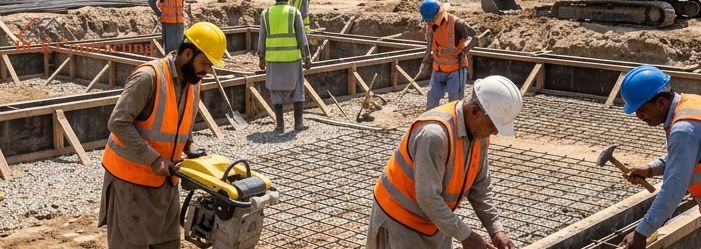
| Foundations | 10% to 15% | Concrete, footings, and retaining walls |
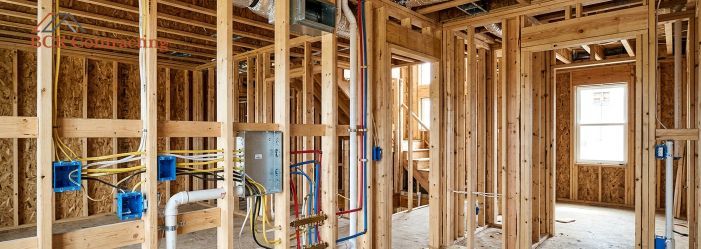
| Framing | 15% to 20% | Lumber, trusses, and sheathing |
| Exterior Finishes | 12% to 15% | Siding, roofing, windows, and doors |
| Major Systems | 12% to 16% | Plumbing, HVAC, and electrical wiring |
| Interior Finishes | 25% to 35% | Drywall, flooring, cabinets, and paint |
| Final Steps | 3% to 5% | Landscaping, driveways, and cleanup |
Bonus Tip: Allocate a contingency fund of at least 10 to 15 percent of the total project cost. Unexpected soil issues or weather delays frequently arise when you build a custom home from scratch.
Average Cost to Build a House in Minnesota
Regional variables like climate and local building codes impact the average cost to build a house in Minnesota. The state requires specific insulation ratings and foundation depths to handle extreme freeze-thaw cycles. These requirements typically make Minnesota construction slightly more expensive than in southern climates.
Recent figures from the U.S. Census Bureau show that the North Central region, which includes Minnesota, sees a steady demand for new construction homes despite national fluctuations in cost stability. In areas like Duluth or the Brainerd Lakes region, site preparation can be more expensive due to rocky terrain or high water tables.
For a mid-sized family home in the Northland, the cost estimate for building a house in MN often starts around $450,000 for the structure alone. This price increases if the home includes a finished basement, which is common in the region, to maximize square footage.
Factors That Influence the Cost to Build a House in 2026
Looking toward the cost to build a house in 2026, several evolving factors will likely shape pricing. Energy efficiency standards continue to become more stringent, which requires better windows and superior insulation. While these features increase the upfront cost to build a custom home, they reduce long-term utility bills.
- Design Complexity: Every corner or roof valley added to a blueprint increases framing and roofing labor costs. Simple rectangular footprints are the most affordable to build.
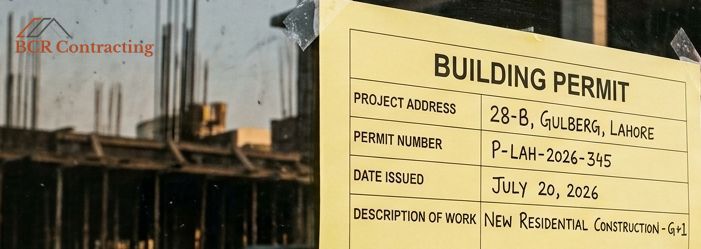
- Permits and Fees: Local municipalities charge for building permits, impact fees, and inspections. These can range from a few thousand dollars to over $20,000 in certain zones.
- Site Accessibility: If a lot is remote or heavily wooded, moving equipment and materials to the site costs more.
- Supply Chain Stability: While the extreme volatility of past years has cooled, specialized items like electrical transformers or custom windows can still face long lead times and high prices.
Bonus Tip: Choose a lot with existing utility connections. Bringing electricity, water, and sewer lines to a remote property can add $30,000 or more to the total new construction home cost.
Cost to Build Vs Buy a House
Deciding between custom home construction services and purchasing an existing property involves weighing immediate costs against long-term value. Buying an existing home is often faster and has a more predictable price tag. However, older homes frequently require immediate renovations or repairs to systems like the roof or HVAC.
Building new offers the advantage of modern building codes, full warranties, and a layout tailored to specific needs. There is no need to spend money on "undoing" someone else's design choices. When comparing the cost to build vs buy a house, consider that a new home will likely have significantly lower maintenance costs for the first ten years.
Things to Consider Before Making a Decision
Before signing a contract for residential construction services, homeowners should evaluate several variables that impact the final financial outcome.
- Financing Types: Construction loans work differently from standard mortgages. They involve a series of "draws" where the lender pays the builder as specific milestones are met.
- Time Commitment: Building from scratch takes six to twelve months on average. Homeowners must account for the cost of living elsewhere during the build.
- Resale Value: While a custom home is built for the current owner, it is wise to consider if the design choices will appeal to future buyers. Over-improving a house for its neighborhood can make it difficult to recoup costs later.
- Zoning and Easements: Always verify that the desired home size and placement are allowed on the selected lot. Setback requirements can limit the actual buildable area more than expected.
Common Questions About Custom Home Pricing
Does a two-story house cost more than a ranch? Actually, a two-story home is often cheaper per square foot than a ranch-style house. A two-story home has a smaller footprint, meaning it requires less foundation and less roofing, which are two of the most expensive parts of a build.
How do finishes impact the final price? Finishes are the most flexible part of the budget. Choosing laminate counters instead of quartz or standard carpet instead of hardwood can save tens of thousands of dollars without changing the structural integrity of the home.
Are custom homes always more expensive than spec homes? Generally, yes. Spec homes use volume purchasing and repeated designs to lower costs. BCR Contracting LLC notes that custom homes require unique architectural work and individual material orders, which removes those bulk-buy discounts.
Frequently Asked Questions
Can I save money by acting as my own general contractor?
While it seems like a way to save the 10 to 20 percent markup, it often leads to higher costs. Professional builders have established relationships with subcontractors and get better pricing on materials. Mistakes made by an inexperienced coordinator can easily exceed the cost of professional custom home construction services.
What is the most expensive part of building a house?
Framing and interior finishes usually tie for the highest expense. Framing requires significant labor and raw lumber. Interior finishes include the kitchen and bathrooms, which are the most expensive rooms in any house due to cabinetry, plumbing fixtures, and appliances.
How long is a construction quote valid?
Most quotes are valid for 30 to 60 days. Because material prices for items like copper and lumber fluctuate on the global market, builders cannot hold pricing indefinitely.
Does the cost include landscaping?
Most basic estimates do not include extensive landscaping. A standard contract might include "rough grading" and a gravel driveway, but sod, trees, and irrigation systems are usually additional expenses that homeowners need to plan for separately.
Summary of Project Planning
Estimating the cost to build a custom home requires a detailed look at land, labor, and local requirements. While a base price of $200 to $400 per square foot is a reliable starting point for Minnesota, the final number depends on the personal choices made during the design phase. Success in residential construction services comes from clear communication and a well-defined budget that accounts for both the expected and the unexpected. Evaluate the long-term benefits of energy efficiency and modern construction against the initial investment to determine the best path forward for your housing needs.
Work with a Professional Builder
Planning a new home requires professional guidance to navigate local codes and material selections. BCR Contracting LLC provides comprehensive support for those looking to build in the Minnesota region. For a detailed consultation regarding your project, contact the office at 218-850-8642 or reach out via email at briardindustries@gmail.com to discuss your specific requirements.
Sources
- National Association of Home Builders- A leading trade association providing data on construction cost breakdowns and industry trends.
- U.S. Census Bureau- The primary government source for data on new residential construction and regional price averages.
- HomeGuide- A resource for current market pricing and average square foot costs for various home types.